For most people around the globe, and perhaps even for us, Good Friday is just another day like any other. Yet for Christians it should be and is the most significant and important day of the year. Not just any other day, but the day when we remember the pain, the suffering, the separation, the death...that Jesus, the incarnate Son of God, went through for each and every person - for the prisoners we met in Malawi living in squalid conditions; for those living in poverty, with no clean water or very little food in the villages and townships; for those who have lost family and friends, livelihood and homes in the earthquake in Christchurch and in Japan; for the orphans and those facing the consequences of HIV and AIDS that we met at the House of Grace; for the prostitutes and for the men and women who visit Bangkok as sex tourists; for children with cancer far from home living in a Christian hostel near the hospital in Bangkok we visited two days ago.....for you and me living in the UK.
Over the last 10 weeks we have seen situations that have made us weep, we have met people who have made us smile. we have visited ministries that have given us hope and we have been welcomed wherever we have gone. As we return back to England, we recognise that we have seen God at work in the lives of individuals and of communities and through the ministries we have visited, and we are left pondering how we as individuals and as a church we can partner with Christians throughout the world to continue to share the Good News of Easter. We have seen incredible need and however much we would have liked to, we recognise that we cannot help everyone, but what would God have us do with the little we can offer?
But we have also recognised that there is also much need back here in the UK. Perhaps not the same levels of poverty, but Britain is a mission field and there are just as many people who need to know the love of God in their lives. I was reading a report today that it is now estimated that 48% of children will have experienced their parents separating before they are 16. What legacy is that leaving for us as a nation? It is perhaps worth noting that people we talked to suggested that many of the problems we witnessed iin Thailand seem to stem from the loss of any sense of responsibility for family life and faithfulness within marriage by the majority of Thai men. It is surely our responsibility as the church of Christ to be supporting marriage and family life here in the UK, sharing the love of God and being bold in standing up for what the Bible teaches.
In the last 3 weeks of our study leave, we will be taking time to reflect on what we have experienced and ponder what is our response - how can we partner with others more effectively, but more importantly how can we partner with God in what he is already doing both in different parts of the world and here in the UK.
It is good to have arrived back to a warm and sunny weekend. We thought it would still be cold which would have been a shock after the heat of Bangkok. It iss aid that Bangkok is the hottest city in the world, as due to the many high rise concrete blocks retaining the heat and humidity, the temperature rarely falls below 35, and was certainly hotter than that whilst we were there. It has meant that we can get our washing dry quickly and also mow the grass which was very long. Hannah and Tom arrive home later today for a family holiday - it will be good to see them.
Can we wish you all a thoughtful and happy Easter.
Mark & Miriam
Friday, 22 April 2011
Monday, 18 April 2011
Rahab Ministries
Mark & I consider ourselves fairly broad minded but the last couple of days here in Bangkok have been eye-openers! Last night we were taken out to supper and then wandered back through busy streets with bustling night markets which abutt other roads along which are hugely affluent office blocks and 5star hotels. Into this heady mix were added hundreds, maybe thousands, of sex workers, male and female, plying for trade. Minibus loads of men were being dropped off at the end of the street, apparently a reward from their companies for good work...
Whilst prostitution is officially illegal in Thailand its presence is largely denied and it is left free to operate unchecked and definitely unhidden. We have never seen such overt prostitution on offer, with Miriam being offered sexual services just as much as Mark! It is a large part of the culture here; the statistics are shocking, for example 70+% of Thai men regularly visit prostitutes even once married, and will take their sons to their favourite prostitute as a rite of passage. Foriegn sex tourists account for only 5% of the industry, yet it is estimated that 70% of men coming to Thailand are sex tourists.
Many of the prostitutes looked shockingly young, some dressed up as little girls. Many are trapped in the job by poverty and cultural expectations of providing for their families. There can seem no way of escaping. However this afternoon we visited a long-established ministry on one of the streets lined with strip-clubs, called Rahab (for obvious reasons!). This Christian work makes contact with the girls (there are other ministries for the boys) and offers them assistance and help. They build relationship, offer places to go to meet, to receive help and advice, alternative employment making jewellery (I'll be bringing home a catalogue for whoever would like to do some Christmas shopping whilst supporting Rahab ministry), flats at no or low rent to get them away from the streets and support as they seek to make a new life, and they also offer Christian witness and teaching to those who want to hear.
Many girls have become Christians, though it often takes them a long time to leave prostitution after making a committment, and there are some wonderful stories of lives transformed and families reunited. But it seemed a little overwhelming; every time a girl is removed from the street another will take her place. It is clear that some fundamental issues of cultural attitudes and of poverty need addressing, but in the meantime we were reminded again that God will change a community or a nation one person at a time and that Rahab Ministries are being faithful to this calling, recognising the love of God for each of these girls and doing what they can where he has called them to be.
Miriam
Whilst prostitution is officially illegal in Thailand its presence is largely denied and it is left free to operate unchecked and definitely unhidden. We have never seen such overt prostitution on offer, with Miriam being offered sexual services just as much as Mark! It is a large part of the culture here; the statistics are shocking, for example 70+% of Thai men regularly visit prostitutes even once married, and will take their sons to their favourite prostitute as a rite of passage. Foriegn sex tourists account for only 5% of the industry, yet it is estimated that 70% of men coming to Thailand are sex tourists.
Many of the prostitutes looked shockingly young, some dressed up as little girls. Many are trapped in the job by poverty and cultural expectations of providing for their families. There can seem no way of escaping. However this afternoon we visited a long-established ministry on one of the streets lined with strip-clubs, called Rahab (for obvious reasons!). This Christian work makes contact with the girls (there are other ministries for the boys) and offers them assistance and help. They build relationship, offer places to go to meet, to receive help and advice, alternative employment making jewellery (I'll be bringing home a catalogue for whoever would like to do some Christmas shopping whilst supporting Rahab ministry), flats at no or low rent to get them away from the streets and support as they seek to make a new life, and they also offer Christian witness and teaching to those who want to hear.
Many girls have become Christians, though it often takes them a long time to leave prostitution after making a committment, and there are some wonderful stories of lives transformed and families reunited. But it seemed a little overwhelming; every time a girl is removed from the street another will take her place. It is clear that some fundamental issues of cultural attitudes and of poverty need addressing, but in the meantime we were reminded again that God will change a community or a nation one person at a time and that Rahab Ministries are being faithful to this calling, recognising the love of God for each of these girls and doing what they can where he has called them to be.
Miriam

Wednesday, 13 April 2011
Thai New Year
Today is the Thai New Year, and they celebrate by throwing lots of water and putting wet flour or talcum powder on each other’s faces, although it ends up in your hair, in your ears and on your clothes! So yesterday afternoon, the younger children at House of Grace were allowed to play outside with buckets of water and hose pipes. They had great fun, and when we came out of the dining room after lunch they delighted in getting us soaked!
In such a hot country, and as Thailand is in their hot season, the kids don’t get cold and there is plenty of water available. And using water seems to me to be a good symbol of seeing out the old year and welcoming the new, the symbolism of washing clean and of new life, however, it wouldn’t work so well in the UK in the middle of winter.
However, they know how to celebrate, for in the evening we went in to the local town of Chantaburi with the older children in the back of a pick-up truck, loaded with a huge vat of water ready for the fight and 23 young people and us. The streets were heaving with people, and water was being thrown everywhere – so before we even left the truck we were soaked through to the skin. People had great containers either by the side of the road or in their trucks, and they threw water at anyone passing by on foot, in cars or on motorbikes, and others would come up and smear damp flour over your faces and wish you a ‘Happy New Year’, normally in Thai, but recognising we were westerners, some would speak in English but it also meant that we were more of a target, and as we saw only one other white face, Miriam and I were easy to spot! Even the fire engines joined in, either filling people’s water containers or firing their water cannons into the sky over the streets, and pumping water into some hoses which lined both sides of the road and had many holes aimed over the vehicles that went passed, and as there were many people out, one could only crawl along through this arch of water!
We have never experienced anything like it, and whilst some people were getting drunk, it was all very good natured and left Trafalgar Square celebrations looking quite tame in comparison, with street parties everywhere, especially when we hear that they continue such celebrations for the next 7 days – I think we will stay in this evening, soaked twice in one day is enough!
The one drawback was that we got back to our truck at 9.15 to head back to the House of Grace, but the town was gridlocked with parties happening whichever way you turned, and we didn’t get back until 2.00am. As we were heading off to the island of Koh Chang for a few days break, we had agreed to get up this morning at 5.30 as Kitisak, the Director of House of Grace, had said he would drive us here but wanted to get off early!
At least now we can rest and recover, for we are at the KB Resort, with a lovely beach chalet that Alan and Maelynn booked for us, overlooking an azure sea. Having set off so early we were here by 9.00am, and promptly the heavens opened and there was a very heavy and extended tropical downpour/monsoon. What is it about this time away, we have been to some lovely places that are known for their hot and sunny weather, but storms seem to have followed us around, so we are now hoping and praying for three days of sunshine before we head off to Bangkok on Sunday!
At the New Year celebrations last night, as we were walking down the street, we passed by an elephant with a man on it walking up the pavement the other way and no one batted an eyelid, except us! Since arriving at the island a few hours ago, we have seen quite a few as they are kept here for tourists to have rides, and two baby elephants were even brought down to the sea just outside our resort for a swim and a play as we sat and had coffee.
Mark
Sunday, 10 April 2011
Miriam is fine!
A quick e-mail following my posting last night to say that Miriam is fine, the adrenalin worked and whilst she felt a bit shaky for a while, we managed to go out for a meal with Alan and Maelynn.
Alan and Maelynn Ellard are a retired English couple who have been out in Thailand as missionaries since 1967, firstly with OMF, and then with ACET, an AIDS charity. Whilst working for ACET they gave advice to Kitisak the director of House of Grace, and now they have come to live nearby and help out here. We are staying in a room at House of Grace, but Alan and Maelynn are coming in each day and translating for us and showing us around.
Kitisak and his wife, Noy, started House of Grace about 12 years ago. He was a pastor in a neaby Pentecostal Church, and they had three children. When they were away one year, a lady came to the church having been thrown out of her house with her two children, to ask if they had anywhere she could stay. An elder at the church put her in a room next door to the rooms the church gave to Kitisak and his family. After a while it became obvious that the woman wasn't at all well, and just before she died, she asked Kitisak if he would look after her children. Kitisak and Noy took them in after the lady had died, and then a year or so later, they heard of two children aged 4 and 6 who were living on their own, both parents having died. Kitisak asked his family what they should do to help, and it was decided they should take the children into their own home, and so their family grew.
The church began to comment on the amount of time Kitisak was now giving to visting people who had AIDS and to the children, and so Kitisak and Noy decided to begin an orphanage, and House of Grace was born. Since then they have taken in many more children and are registered through the government as an orphanage, so people contact them to ask them if they can take children.
Anyway back to last night - we went to a restaurant in the nearby town of Chantaburi. Quite a modern restaurant where we could have got English food, but ate Thai which is spicy but we enjoyed. The cost of living is quite cheap here, and the meal for the four of us cost about £15!
By the time we got back, Miriam's adrenalin was wearing off and she was exhausted, so we went to bed reasonably early and had a good night's sleep, though the mattress is very hard, like planks of wood!
Up now and off to breakfast in a moment after a cold shower - no hot water - but it is not too bad in the heat. Then church at 10.30am, after a Bible Study at 10.00.
Thanks for your prayers.
Mark
Alan and Maelynn Ellard are a retired English couple who have been out in Thailand as missionaries since 1967, firstly with OMF, and then with ACET, an AIDS charity. Whilst working for ACET they gave advice to Kitisak the director of House of Grace, and now they have come to live nearby and help out here. We are staying in a room at House of Grace, but Alan and Maelynn are coming in each day and translating for us and showing us around.
Kitisak and his wife, Noy, started House of Grace about 12 years ago. He was a pastor in a neaby Pentecostal Church, and they had three children. When they were away one year, a lady came to the church having been thrown out of her house with her two children, to ask if they had anywhere she could stay. An elder at the church put her in a room next door to the rooms the church gave to Kitisak and his family. After a while it became obvious that the woman wasn't at all well, and just before she died, she asked Kitisak if he would look after her children. Kitisak and Noy took them in after the lady had died, and then a year or so later, they heard of two children aged 4 and 6 who were living on their own, both parents having died. Kitisak asked his family what they should do to help, and it was decided they should take the children into their own home, and so their family grew.
The church began to comment on the amount of time Kitisak was now giving to visting people who had AIDS and to the children, and so Kitisak and Noy decided to begin an orphanage, and House of Grace was born. Since then they have taken in many more children and are registered through the government as an orphanage, so people contact them to ask them if they can take children.
Anyway back to last night - we went to a restaurant in the nearby town of Chantaburi. Quite a modern restaurant where we could have got English food, but ate Thai which is spicy but we enjoyed. The cost of living is quite cheap here, and the meal for the four of us cost about £15!
By the time we got back, Miriam's adrenalin was wearing off and she was exhausted, so we went to bed reasonably early and had a good night's sleep, though the mattress is very hard, like planks of wood!
Up now and off to breakfast in a moment after a cold shower - no hot water - but it is not too bad in the heat. Then church at 10.30am, after a Bible Study at 10.00.
Thanks for your prayers.
Mark
Saturday, 9 April 2011
Thailand
We hear that there is a heat wave in the UK - I hope the English summer isn't over before we get back!! Here in Thailand it has been overcast and stormy, but is hot and humid, 35 degrees in the daytime and 25 at night, thank goodness we have air conditioning.
Thailand is very different to the other countries we have been to. Bangkok is a vast city, many high rise buildings, congested with cars and quite smoggy from pollution. The country is predominantly Buddhist and everywhere there are shrines, with people laying flowers and lighting candles at them. They have a king and a queen who seem to be highly revered and their pohotograph can be seen in many buildings and on big billboards. We have already tried fruits that I have never heard of or seen, and we understand that there are scorpions and snakes around, including, on the island we are going to on Wednesday, pythons and king cobra, and there are elephants, tigers and bears up in the mountains!!
There are 62 children at House of Grace orphanage, a mix of boys and girls, about half of whom are HIV+. The government though provide anti retroviral drugs free of charge. The children are very friendly and range from a few months to 18/19 years old, and there are some staff who live here - some of them have AIDS.
Tomorrow I am speaking at the service they have here - the younger children go out for Sunday School - this happens in their hall which the money St. Stephen's gave from our building project tithe helped to build.
Food here is very different, spicy and often with nuts in. Actually, whilst writing this, Miriam has eaten a biscuit which seemed quite innocent but she is sure now it contained nuts and so has just had to give herself an adrenalin injection - please pray that she stays well and is able to avoid any further accidents. But in the light of this, I better stop and check that she is OK.
Mark
Thailand is very different to the other countries we have been to. Bangkok is a vast city, many high rise buildings, congested with cars and quite smoggy from pollution. The country is predominantly Buddhist and everywhere there are shrines, with people laying flowers and lighting candles at them. They have a king and a queen who seem to be highly revered and their pohotograph can be seen in many buildings and on big billboards. We have already tried fruits that I have never heard of or seen, and we understand that there are scorpions and snakes around, including, on the island we are going to on Wednesday, pythons and king cobra, and there are elephants, tigers and bears up in the mountains!!
There are 62 children at House of Grace orphanage, a mix of boys and girls, about half of whom are HIV+. The government though provide anti retroviral drugs free of charge. The children are very friendly and range from a few months to 18/19 years old, and there are some staff who live here - some of them have AIDS.
Tomorrow I am speaking at the service they have here - the younger children go out for Sunday School - this happens in their hall which the money St. Stephen's gave from our building project tithe helped to build.
Food here is very different, spicy and often with nuts in. Actually, whilst writing this, Miriam has eaten a biscuit which seemed quite innocent but she is sure now it contained nuts and so has just had to give herself an adrenalin injection - please pray that she stays well and is able to avoid any further accidents. But in the light of this, I better stop and check that she is OK.
Mark
Wednesday, 6 April 2011
And so on to Thailand
It's our last evening in Sydney so I thought I would write a brief blog as I am not sure what internet access we will have in Thailand. We arrive late tomorrow night and stay at the Christian Guest House in Bangkok, before we travel on to Chantaburi in the east of the country (near the Laos border) on Friday, where we will be staying at the House of Grace orphanage for 5 days. As a church, St. Stephen's supported House of Grace through our building project tithe, and we thought it would be good to go and see how this money was used, but also see how the orphanage is involved in the local community as well as caring for these Aids orphans, some of whom have Aids themselves.
A few days on the coast having a short break, will then be followed by our last days in Bangkok. I was ordained with a chap called Peter Cook who is now a vicar in Bangkok, and we are staying with him and his wife. They are going to show us around Bangkok and take us to see various ministries especially amongst the sex industry.
Sydney has been great, and whilst we haven't really got out of the city, we seem to have packed the 10 days here with a wide variety of things. Predominantly we have been visiting places connected with Bishop Barker and his wife, and we have found out lots of information that I didn't know about these ancestors of mine, like Jane Barker's close connection with William Wordsworth and his family. It also used to be that the longest measure of ale you could get in New South Wales was called a 'Bishop Barker' - I thought that this was because he was very tall, had a shock of white (frothy) hair, and was teetotal, but have now found out that because the Australian beer was not to his taste, he used to import his favourite ale from Liverpool, where he had been vicar before coming to Sydney!
We have though also visited various places around Sydney - the northern beaches such as Manly, the Opera House, and today we were taken to lunch at a famous fish restaurant called Doyle's on the beach at Watson Bay with amazing views across the harbour and found ourselves sitting on the table next to Yvonne Goolagong the ex-tennis player! This was followed by a quick visit to Bondi Beach, just so that we can say we have been there!
On Sunday we went to the local Anglican Church in the morning where we were very welcomed and looked after, and then in the evening to a church called C3 (City Centre Church) - a church in the northern beach area aimed mainly at the surf community - amazing razzmatazz, but good worship and a great sermon. Never been to a church where they have used dry ice during worship before, and very different to the mud hut church we worshipped at in Malawi only 3 weeks ago.
Interestingly, wherever we have been, the view of the church in the UK, especially the Anglican Church, is that it is dying and that there is no life in it. So it is good to share all that is happening in Tonbridge and to be able to tell them not to believe all that they read in the press. Yes, the wider church is facing some difficult discussions and situations, and in some areas in the UK church is not easy, but God is still very much at work and in some areas the church is growing. And we have found that in our travels, wherever we have been we have seen how God is and has been at work in many different ways, and we have met many lovely, faithful and committed Christians.
With our love and prayers
Mark
A few days on the coast having a short break, will then be followed by our last days in Bangkok. I was ordained with a chap called Peter Cook who is now a vicar in Bangkok, and we are staying with him and his wife. They are going to show us around Bangkok and take us to see various ministries especially amongst the sex industry.
Sydney has been great, and whilst we haven't really got out of the city, we seem to have packed the 10 days here with a wide variety of things. Predominantly we have been visiting places connected with Bishop Barker and his wife, and we have found out lots of information that I didn't know about these ancestors of mine, like Jane Barker's close connection with William Wordsworth and his family. It also used to be that the longest measure of ale you could get in New South Wales was called a 'Bishop Barker' - I thought that this was because he was very tall, had a shock of white (frothy) hair, and was teetotal, but have now found out that because the Australian beer was not to his taste, he used to import his favourite ale from Liverpool, where he had been vicar before coming to Sydney!
We have though also visited various places around Sydney - the northern beaches such as Manly, the Opera House, and today we were taken to lunch at a famous fish restaurant called Doyle's on the beach at Watson Bay with amazing views across the harbour and found ourselves sitting on the table next to Yvonne Goolagong the ex-tennis player! This was followed by a quick visit to Bondi Beach, just so that we can say we have been there!
On Sunday we went to the local Anglican Church in the morning where we were very welcomed and looked after, and then in the evening to a church called C3 (City Centre Church) - a church in the northern beach area aimed mainly at the surf community - amazing razzmatazz, but good worship and a great sermon. Never been to a church where they have used dry ice during worship before, and very different to the mud hut church we worshipped at in Malawi only 3 weeks ago.
Interestingly, wherever we have been, the view of the church in the UK, especially the Anglican Church, is that it is dying and that there is no life in it. So it is good to share all that is happening in Tonbridge and to be able to tell them not to believe all that they read in the press. Yes, the wider church is facing some difficult discussions and situations, and in some areas in the UK church is not easy, but God is still very much at work and in some areas the church is growing. And we have found that in our travels, wherever we have been we have seen how God is and has been at work in many different ways, and we have met many lovely, faithful and committed Christians.
With our love and prayers
Mark
Saturday, 2 April 2011
Sydney and Bishop Frederic Barker
We have been commenting this week on how varied our trip has been:
 It was the time though when the colony was growing rapidly and in the first 7 years of his time here, he was responsible for raising the money and planting over 80 churches at the rate of a new church every month, and at the same time developing schools. We have visited one school named after him, and were given a grand welcome. Having been shown around the school, I was asked to speak in the chapel and in the afternoon, the school archivist gave us access to photos of and letters from the Bishop. We also heard about another school, St. Catherine's which was founded by Mrs Barker for the daughters of the clergy, but which is now a well-known girls school in Sydney - we have arranged to visit on Monday. At Barker College, we had lunch with the headmaster followed by coffee served from the silver tea service, which has inscribed upon it "Presented as a marriage gift to the Rev Frederic Barker MA by the congregation of St. Mary's Edgehill, Liverpool desirous that their minsiter might possess in the retirement of his home a small token of their esteem for his character, gratitude for his exertions and attachement for his person 15th October 1840".
The Bishop, struggling to entice clergy to travel from the UK to minister in all these new churches and be chaplains at the new schools, founded quite quickly after his arrivel Moore Theological College, and on Tuesday we are visiting this, going to chapel there and sitting in on some classes.
We have also spent quite a lot of time looking at the archives in the State Library. There are diaries and journals and letters from both the Bishop and his wife, and we also discovered the most beautiful 'illuminated' address given by the clergy of the Diocese on the 25th anniversary of his enthronement as Bishop.
Sadly we have had less response from the Diocesan archivist and the cathedral wasn't up to much, though in the cathedral school we found his portrait. However, speaking with the chaplain at Barker College, Bishop Barker was a man who had a great influence on the church in Sydney Diocese, the consequences of which are still widely felt, particualarly his evangelical heritage.
Another intereting aspect was that in looking through the state archives we found letters from and to Rev Samual Marsden and Mr George Clark- these two we had come across in New Zealand for they were the first missionaries to NZ, and landed at Keri Keri in the Bay of Islands, and we visited the first mission house. They both left Parramatta in Sydney to take the gospel to the Maoris and to those who had begun to settle in this newly discovered colony, and Samuel Marsden was very influential in the writing of the treaty that was signed between the British and the Maoris.
It is humbling and awe-inspiring to discover how, in days when travel and communication was so difficult, these men and women were willing to risk all for the sake of fulfilling the great commission. And to have seen photos of and held letters written by my ancestors over 150 years ago who were part of this, has been truly remarkable.
It has been strange celebrating both our birthday's this week so far from home, and also missing the wedding of one of my nephew's yesterday. But tomorrow we plan to worship at the local Anglican Church in the morning - 9.00am Family Service! - and then in the evening we are going with the woman we are staying with to her church called C3 - City Centre Church - not sure how big it is, but hear that there are over 1000 young people who are part of it!
Mark
- The beauty and yet the poverty of Malawi, visiting prisons, playing with undernourished children, worshipping in mud hut churches....
- The mountains, cliffs, forests and amazing scenery of New Zealand, with wide open spaces, wild rugged places, and the opportunity to swim with dolphins and sail around the Bay of Islands.
- And now the city of Sydney - the Opera House and Harbour Bridge certainly live up to their reputation, and to have some cultural input with visits to museums, the art gallery and to see The Barber of Seville at the Opera House, has been different this week, though the hot weather that The Bay of Islands and Sydney are renowned for still seem to allude us (and we hear that there is dreadful weather in Thailand and that it too has been rocked by an earthquake in next door Myanmar/Burma).
 It was the time though when the colony was growing rapidly and in the first 7 years of his time here, he was responsible for raising the money and planting over 80 churches at the rate of a new church every month, and at the same time developing schools. We have visited one school named after him, and were given a grand welcome. Having been shown around the school, I was asked to speak in the chapel and in the afternoon, the school archivist gave us access to photos of and letters from the Bishop. We also heard about another school, St. Catherine's which was founded by Mrs Barker for the daughters of the clergy, but which is now a well-known girls school in Sydney - we have arranged to visit on Monday. At Barker College, we had lunch with the headmaster followed by coffee served from the silver tea service, which has inscribed upon it "Presented as a marriage gift to the Rev Frederic Barker MA by the congregation of St. Mary's Edgehill, Liverpool desirous that their minsiter might possess in the retirement of his home a small token of their esteem for his character, gratitude for his exertions and attachement for his person 15th October 1840".
The Bishop, struggling to entice clergy to travel from the UK to minister in all these new churches and be chaplains at the new schools, founded quite quickly after his arrivel Moore Theological College, and on Tuesday we are visiting this, going to chapel there and sitting in on some classes.
We have also spent quite a lot of time looking at the archives in the State Library. There are diaries and journals and letters from both the Bishop and his wife, and we also discovered the most beautiful 'illuminated' address given by the clergy of the Diocese on the 25th anniversary of his enthronement as Bishop.
Sadly we have had less response from the Diocesan archivist and the cathedral wasn't up to much, though in the cathedral school we found his portrait. However, speaking with the chaplain at Barker College, Bishop Barker was a man who had a great influence on the church in Sydney Diocese, the consequences of which are still widely felt, particualarly his evangelical heritage.
Another intereting aspect was that in looking through the state archives we found letters from and to Rev Samual Marsden and Mr George Clark- these two we had come across in New Zealand for they were the first missionaries to NZ, and landed at Keri Keri in the Bay of Islands, and we visited the first mission house. They both left Parramatta in Sydney to take the gospel to the Maoris and to those who had begun to settle in this newly discovered colony, and Samuel Marsden was very influential in the writing of the treaty that was signed between the British and the Maoris.
It is humbling and awe-inspiring to discover how, in days when travel and communication was so difficult, these men and women were willing to risk all for the sake of fulfilling the great commission. And to have seen photos of and held letters written by my ancestors over 150 years ago who were part of this, has been truly remarkable.
It has been strange celebrating both our birthday's this week so far from home, and also missing the wedding of one of my nephew's yesterday. But tomorrow we plan to worship at the local Anglican Church in the morning - 9.00am Family Service! - and then in the evening we are going with the woman we are staying with to her church called C3 - City Centre Church - not sure how big it is, but hear that there are over 1000 young people who are part of it!
Mark
Monday, 21 March 2011
Faith in Action
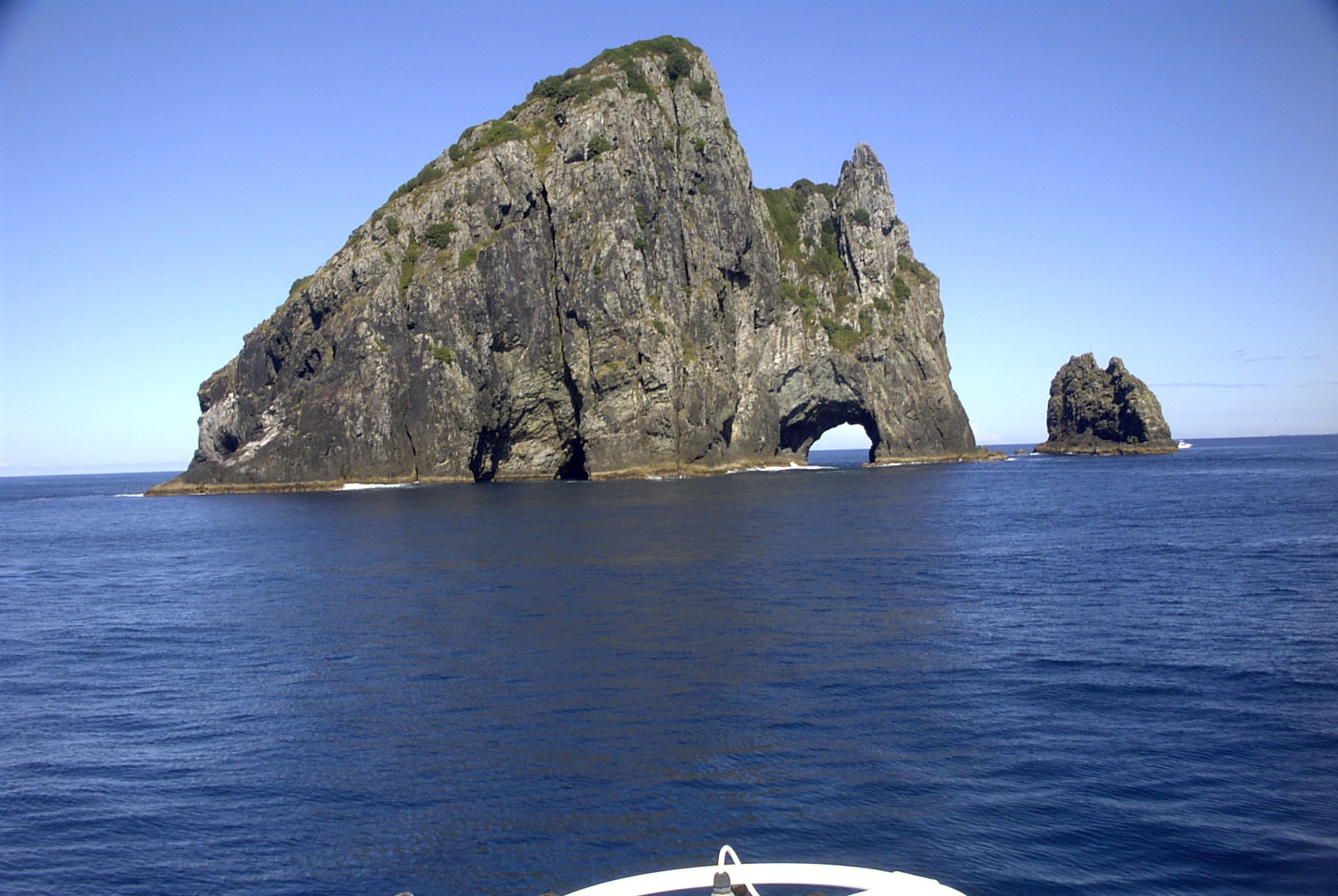 On Saturday we left Queenstown and flew over Mt. Cook to Auckland and then drove up to the Bay of Islands, towards the north of North Island. It is a beautiful coastline with hot, almost tropical weather – although we have not seen any sunshine yet, and it has been raining solidly all day today and the forecast doesn’t look that good for the rest of the week!
Yesterday we went to the local Baptist Church in the morning. It was good to worship there, and to be reminded in the sermon about the need for action to accompany faith – a poignant message in view of our reflection during this study leave on mission, but also as very few people talked to us, and when we were standing around after the service wondering where the coffee was which the congregation had been invited to stay for, were just on the point of walking out when at last a woman came up and said ‘hello’. Even in a small congregation, we saw how easy it is for newcomers to get ignored as people chat with their friends and wondered how much harder it is to welcome strangers in a larger church setting. I was reminded of the challenge someone once gave of ensuring that every Sunday at church we speak to at least one person we don’t know. We all know about the need for our faith to be backed up by our action, but this must start at home, our mission field.
Faith in action was also the subject for the afternoon, for we went to a place called Kerikeri. In the early 1800’s an Anglican Minister was invited by the local Maori chiefs to set up a mission station on the banks of the river there. The buildings that formed the heart of this mission (which were interestingly under the auspices of the Church Missionary Society, still very much involved in worldwide mission today) are still there and are the oldest remaining buildings in New Zealand (a contrast to the ancient monuments we have in the UK!)
However, looking through the museum at the story of the arrival of the missionaries and the development of the mission over the next 50 years was fascinating, seeing how Christian men and women left everything to travel to the other side of the world, to a land they didn’t know, to work amongst people who they knew nothing about, in order to share the Gospel. Faith in action – and I wondered whether I would have been willing to do the same in the days before modern transport and communication, where a journey out here or a letter home would have taken the whole 4 months I am on study leave for! It was a similar story in Malawi, where many Scottish ministers went, and I have been reading about the early days of the church in Australia as well, in preparation for our time in Sydney.
And the faith in action was not just about telling people the good news of Jesus, it was not just about converting the ‘heathen’ nations, but about teaching them, showing them how to farm, to build houses of brick, to make tools of iron, to read and write….but sadly it also brought traders who sold them muskets, drink, drugs and brought disease. Some missionaries we have heard about both here and in Malawi were unscrupulous and brought dishonour to the Christian faith they allegedly came to share, but clearly others were men and women of great faith and love, risking all for God, and in many cases giving all, including their lives.
In Malawi, Nedson joked about how, due to the influence of the English, many Malawians will wear a jacket and tie even in the heat of the day when working or at something official, and both there and here we have seen how some missionaries thought that to convert people involved westernising them in what they wore, what they ate, how they spoke, even down to the style of worship and the use of liturgy. This is something I have mentioned before when reflecting on the Anglican Church in Malawi, how they wear the same robes, use the old liturgy and hymns, sit in upright pews….in fact how things have changed little from the ways that the Victorian missionaries taught them to ‘do church’.
However, some of those who came to New Zealand tried to learn and integrate some of the Maori culture into their sharing of the Christian faith. And I have been pondering the tightrope these missionaries trod – being part of the culture in which they found themselves, but not of the culture. To what extent should they and we integrate with the culture we are reaching out to, and to what extent should we remain ‘not of this world’?
I have been reading around this sort of thing as I have reread the much-acclaimed Church of England report ‘Mission-Shaped Church’, and am now reading ‘The Shaping of Things to Come’ by Michael Frost and Alan Hirsch, who write “Mission is not merely an activity of the church. It is the very heartbeat and work of God. It is in the very being of God that the basis for the missionary enterprise is found. God is a sending God, with a desire to see humankind and creation reconciled, redeemed and healed. The missional church, then, is a sent church”, and the book goes on to encourage us to follow the example of the incarnate Christ, who became like us so that we might know God. Incarnational mission means identifying with those God takes us to “in all ways possible, without compromising the truth of the gospel itself”.
And so I have been asking myself, to what extent do we expect people who come to faith, even in Tonbridge, to change so that they fit in with us and the way we do things? Or should we, being aware of the culture around us, be willing to change (incarnationally) in order to make it as easy as possible, without compromising the gospel, for those outside the church to come and worship the one true God? If so, just as those early missionaries asked as they arrived in Malawi, on the shores of New Zealand or in Australia, what does this mean for the way we do church in a different or changing culture?
Mark
Thursday, 17 March 2011
In tandem
 The majestic beauty of Queenstown, the soaring mountains, the tumbling rivers and streams, the lofty forests and the glassy lakes, are a long way from the brutal destruction and devastation of the earthquake and tsunami in Japan. And even when we try to catch up, New Zealand seems to be very parochial, the TV and newspapers only touching upon world news, much more space given still to the Christchurch quake.
 However, I was reading one paper yesterday and it was reported that a Japanese official, well known for being outspoken and at times controversial, had declared that the disaster that had hit his country was judgment on the greed of the Japanese people. Interestingly we are at present reading Jeremiah and the prophecies of destruction that were to come on the people of Israel as a result of their turning away from God and worshipping foreign gods, and it made we wonder ‘what is God’s role when earthquakes, famine…… strike?’
We very quickly put these things down to natural disaster and take God out of the equation, but could he be judging the world? Could these disasters be the result of people turning their back on him?
In one sense we would probably all say ‘Yes’, as, according to Paul, the world is groaning due to the result of sin, longing for that day when God will make a ‘new heaven and a new earth’, when his kingly rule will be fully established. Yet the terrible disaster that has killed so many and caused such devastation in Japan doesn’t fit with the loving God that we read about in the Bible. But what about the God of wrath and judgment that is also found in the words of Scripture, but whom we tend to ignore or skim over quickly?
Yet Israel was given plenty of warning through the prophets of its impending destruction, time to repent and turn back to God. Was Japan given that same warning? I haven’t heard of prophets standing up and telling the people and the leaders of that nation of their impending doom if they do not repent. It seems the wrong way round to be speaking of judgment after the event, and doesn’t fit with the God who seems to give his people a chance to change their ways before judgment comes. But perhaps the images we see coming out of Japan should be a clarion call reminding us of the urgent need to share the gospel message with the world. None of us know what today or even tomorrow holds, but we who love Jesus have the promise of eternal life. Millions don’t know Jesus, and we have been given the commission from God to ‘go and make disciples of all nations’ – the earthquake in Japan is perhaps a wakeup call to us all of the urgency of this commission.
However, as we were walking yesterday in the beautiful scenery around Queenstown, we saw people high over the mountains paragliding. It was an amazing sight watching them circling and floating in the currents, but we also thought how dangerous as the cliffs and rock faces are very steep, until we realised that they were in tandem. Each person had a professional with them. And as I thought about it, I realised what a great image it is of us and God. We are not left alone to get on with the commission he has given us, but God, through his Holy Spirit, is on board with us, guiding us, watching over us, supporting us. I am sure that paragliding still seems scary for those who are doing it for the first time, and sharing the good news can still seem scary, but to know we are not alone makes a significant difference.
Mark
Friday, 11 March 2011
Fragility of life
In a moment of realism but perhaps seeming depression, the writer of Ecclesiastes penned these words:
"For everything its season, and for every activity under heaven its time:
a time to be born and a time to die;
a time to plant and a time to uproot;
a time to kill and a time to heal;
a time to break down and a time to build up;
a time to weep and a time to laugh;
a time for mourning and a time for dancing...."
So often in the West this sense of seasons has been eroded, we hold death at arms length, we try and protect ourselves from pain and sorrow.......but in our travels so far we have seen close at hand the ups and downs of life, the seasons or times that we experience joys and sorrows, the very fragility of life itself.
This was evident in Malawi as people scraped a living to help them exist, where sickness or accident often led to death, where we saw children who were undernourished and families begging for something to eat, where water was drunk from oil drums and clothes washed in stagnant and dirty puddles. Yet as a result they lived very aware of these seasons of life - they knew when to plant and when to harvest, when to kill a prized chicken and when to go without meat, when to laugh and when to weep. They knew about dancing and singing, but also about weeping and mourning.
Coming to New Zealand though, whilst generally people are much more protected from all this, we have continued to see the fragility of life as the newspapers and news bulletins are full of the Christchurch earthquake and the continuing aftershocks. This was not a city that was thought to be on a fault, and so the quake has come as an incredible shock to everyone, and whilst the death toll has made it the worst disaster to hit this country, they say that over 10,000 homes will have to be demolished and it may not be possible to rebuild in the same places. But their is a sense that "we are all in this together" as people give and offer to help to those who have been affected, yet we are very conscious of the difference between an eartquake here and that which struck Haiti, and how quickly Christchurch will get back to some sense of normality in comparison.
However, being a relatively young country, the struggles of the early settlers is still talked about and very evident in the museum displays. We visited one in Invercargill to see a display about the sub-Antartic Islands, and the people who have inhabited those islands over the years or who have been shipwrecked on them. A harsh and difficult climate to survive in and now no one lives on them, many having died there as a result of the severe weather, the lack of food and water, or as they have been battered by the high seas and fierce winds against sharp rocks and steep cliffs. Many of those who lived on these isalnds were seal or whale hunters, killing tens of thousands of seals each season, almost wiping out whole seal populations.
At the same museum were housed some Tuatara, reptiles that have existed from the time of dinosaurs. Not many of them are left, and those that are still in the wild are on remote islands as on the mainland they have been killed by rats, stoats and other predators brought to these islands by the ships carrying settlers. However, the museum has become successful at breeding them and hope to start to release some back into the wild. Last year they hit the world news when their oldest resident tuatara, Henry, aged 111 (they think) mated with an 87 year old (Mildred). Not a bad age to start a family!! Whilst they have survived for millions of years, and can live to a ripe old age, their continued existence is under threat. In just over 150 years, we have brought them close to extinction.
We have also visited a colony of yellow-eyed penguins, and sadly one of the adults had been found dead that day from unknowm causes, probably having been frightened to death by humans. There are not many of these penguins left, and they too are under threat from similar predators to the tuatara, but they are amazing creatures to watch with their funny waddle, and one of them even posed for photos in the gathering dusk.
Similarly the young of Royal Albatrosses, which we saw at Dunedin, face similar threats, but after a year they are out of the nest and set off for their first flight, only 9000 kilometeres to Argentina, but to get there they hardly have to flap a wing as they soar on their 3 metre wing span. They are magnificent to watch, but many die, often getting caught up in fishing lines or from eating rubbish that has been dumped in the sea.
So whether human or animal, life is fragile, there is a time to be born and a time to die, a time to weep and a time to laugh.....these seasons come to us all, sometimes when we least expect it, and perhaps those who live more closely with those seasons cope with them better than those of us who have been brought up to try and cushion oursleves from the ups and downs of life.
But as we reflect on Ash Wednesday and the season of Lent, leading up to Good Friday and the cross, it is a good time to remember these words from Ecclesiastes, that we will all face these times in our lives. We cannot hide away and hope that they will never come to us, because they will, nor can we fully wrap ourselves in cotton wool. However we can have hope and the promise of a future whatever we are facing, and in this season it is good to renew our dependency on God, rather than on the things of this world.
"For everything its season, and for every activity under heaven its time:
a time to be born and a time to die;
a time to plant and a time to uproot;
a time to kill and a time to heal;
a time to break down and a time to build up;
a time to weep and a time to laugh;
a time for mourning and a time for dancing...."
So often in the West this sense of seasons has been eroded, we hold death at arms length, we try and protect ourselves from pain and sorrow.......but in our travels so far we have seen close at hand the ups and downs of life, the seasons or times that we experience joys and sorrows, the very fragility of life itself.
This was evident in Malawi as people scraped a living to help them exist, where sickness or accident often led to death, where we saw children who were undernourished and families begging for something to eat, where water was drunk from oil drums and clothes washed in stagnant and dirty puddles. Yet as a result they lived very aware of these seasons of life - they knew when to plant and when to harvest, when to kill a prized chicken and when to go without meat, when to laugh and when to weep. They knew about dancing and singing, but also about weeping and mourning.
Coming to New Zealand though, whilst generally people are much more protected from all this, we have continued to see the fragility of life as the newspapers and news bulletins are full of the Christchurch earthquake and the continuing aftershocks. This was not a city that was thought to be on a fault, and so the quake has come as an incredible shock to everyone, and whilst the death toll has made it the worst disaster to hit this country, they say that over 10,000 homes will have to be demolished and it may not be possible to rebuild in the same places. But their is a sense that "we are all in this together" as people give and offer to help to those who have been affected, yet we are very conscious of the difference between an eartquake here and that which struck Haiti, and how quickly Christchurch will get back to some sense of normality in comparison.
However, being a relatively young country, the struggles of the early settlers is still talked about and very evident in the museum displays. We visited one in Invercargill to see a display about the sub-Antartic Islands, and the people who have inhabited those islands over the years or who have been shipwrecked on them. A harsh and difficult climate to survive in and now no one lives on them, many having died there as a result of the severe weather, the lack of food and water, or as they have been battered by the high seas and fierce winds against sharp rocks and steep cliffs. Many of those who lived on these isalnds were seal or whale hunters, killing tens of thousands of seals each season, almost wiping out whole seal populations.
At the same museum were housed some Tuatara, reptiles that have existed from the time of dinosaurs. Not many of them are left, and those that are still in the wild are on remote islands as on the mainland they have been killed by rats, stoats and other predators brought to these islands by the ships carrying settlers. However, the museum has become successful at breeding them and hope to start to release some back into the wild. Last year they hit the world news when their oldest resident tuatara, Henry, aged 111 (they think) mated with an 87 year old (Mildred). Not a bad age to start a family!! Whilst they have survived for millions of years, and can live to a ripe old age, their continued existence is under threat. In just over 150 years, we have brought them close to extinction.
We have also visited a colony of yellow-eyed penguins, and sadly one of the adults had been found dead that day from unknowm causes, probably having been frightened to death by humans. There are not many of these penguins left, and they too are under threat from similar predators to the tuatara, but they are amazing creatures to watch with their funny waddle, and one of them even posed for photos in the gathering dusk.
Similarly the young of Royal Albatrosses, which we saw at Dunedin, face similar threats, but after a year they are out of the nest and set off for their first flight, only 9000 kilometeres to Argentina, but to get there they hardly have to flap a wing as they soar on their 3 metre wing span. They are magnificent to watch, but many die, often getting caught up in fishing lines or from eating rubbish that has been dumped in the sea.
So whether human or animal, life is fragile, there is a time to be born and a time to die, a time to weep and a time to laugh.....these seasons come to us all, sometimes when we least expect it, and perhaps those who live more closely with those seasons cope with them better than those of us who have been brought up to try and cushion oursleves from the ups and downs of life.
But as we reflect on Ash Wednesday and the season of Lent, leading up to Good Friday and the cross, it is a good time to remember these words from Ecclesiastes, that we will all face these times in our lives. We cannot hide away and hope that they will never come to us, because they will, nor can we fully wrap ourselves in cotton wool. However we can have hope and the promise of a future whatever we are facing, and in this season it is good to renew our dependency on God, rather than on the things of this world.
Monday, 7 March 2011
Jackets and Jumpers
As we knew I would be speaking and preaching quite a bit on our travels, I packed a smart jacket & tie, and evn a dog collar - not a usual thing for me to travel with, but I am glad I did, as Malawi has inherited the tradition from when it was part of the British Empire, that if you are doing something formal, you wear a jacket (and sometimes a tie) - very English!! So even when it was very hot, I would have on a jacket when I was speaking, though occasionally I started with it on and then made apologies when I couldn't cope with it any longer!! The jacket was even worn when we went into prisons where the prisoners were in very rough and dirty clothes, but the prison officers were all smart.
Most of those we met couldn't believe that we are Anglicans, as Anglican pastors in Malawi are even more formal, wearing robes and a dog collar, despite the heat!! When I told them I hardly ever wore robes, they thought I was not a proper Anglican - not quite sure how to take that! We visited the Anglican Theological College on one day and were hoping to get back to speak to the students but weren't able to make it as they had their half term break, but the Dean of the college had wanted us to share about how in the Church of England things were becoming much more informal, and how even liturgy is less traditional than it used to be. I do think we have a lot to answer for when I see how pews, robes, formal liturgy etc have been passed on to the African Church as the way 'church must be done' and now they seem tied to these ways, having become even more formal than the Anglian church in the UK.
But now we have arrived in New Zealand and are down at the bottom of the South Island, and jackets have been replaced by jumpers for the first time since leaving UK, as it is cold, especially after the heat of Malawi. Driving down from Christchurch we even saw snow on the mountains. But it is good to be somewhere that we can get a warm shower, have a comfy bed, sit on a sofa, eat what we want, drink water from a tap.... We are so fortunate in the west, but are also incredibly complacent about what we have, taking it all for granted.
Having said that, two of the children of the couple we are staying with were here last night, having come down for the weekend from Christchurch where they live, and were describing being there when the earthquake struck. After shocks are still happening most days, but they don't yet have water and when they do are likely to have to boil if for some months to come, power is slowly being restored, but the city will never be the same. The airport and surrounds hadn't been affected, so we didn't see any of this on our arrival in New Zealand, but it is very much the talk of the place at the moment.
So from jackets in the heat and poverty of Malawi, to jumpers in a colder but more modern, though earthquake shaken New Zealand - quite a trip so far! It feels a long way from Tonbridge and the UK.
Mark
 |
| Miriam handing out soap, food and toiletries to female prisoners at Blantyre Prison - the visitors room seems quite smart, but you ought to see the cells! |
 | ||||
| Mark with the Dean at Zomba Anglican | Theological College |
But now we have arrived in New Zealand and are down at the bottom of the South Island, and jackets have been replaced by jumpers for the first time since leaving UK, as it is cold, especially after the heat of Malawi. Driving down from Christchurch we even saw snow on the mountains. But it is good to be somewhere that we can get a warm shower, have a comfy bed, sit on a sofa, eat what we want, drink water from a tap.... We are so fortunate in the west, but are also incredibly complacent about what we have, taking it all for granted.
Having said that, two of the children of the couple we are staying with were here last night, having come down for the weekend from Christchurch where they live, and were describing being there when the earthquake struck. After shocks are still happening most days, but they don't yet have water and when they do are likely to have to boil if for some months to come, power is slowly being restored, but the city will never be the same. The airport and surrounds hadn't been affected, so we didn't see any of this on our arrival in New Zealand, but it is very much the talk of the place at the moment.
So from jackets in the heat and poverty of Malawi, to jumpers in a colder but more modern, though earthquake shaken New Zealand - quite a trip so far! It feels a long way from Tonbridge and the UK.
Mark
Subscribe to:
Posts (Atom)